What to Eat in Naples: Local Dishes to Try
From pizza ovens and Sunday sauces to fried-food counters and pastry windows: flavours that make you want to stay longer in Naples.
In Naples, a walk can easily become a succession of food stops. Between pizzas, slow-cooked dishes and pastries, though, leave some appetite for tomorrow. Here are specialities to discover and places to fit into your stay.
Naples specialities to try
Start with five choices: a Margherita or Marinara pizza, pasta with ragù or Genovese, pasta e patate, a sfogliatella and an espresso at the counter. They offer a first taste of Naples, from pizza ovens and slow-cooked sauces to morning pastries.
Then follow your appetite: a frittatina while walking, a trattoria lunch or a babà during a break. The table helps you choose; the two- or three-day plan spreads out the tastings.
| Try | When to choose it | What to expect |
|---|---|---|
| Margherita or Marinara | For a first pizzeria meal | Soft dough and tomato, with mozzarella or garlic and oregano |
| Pizza a portafoglio | For lunch on the go | A small pizza folded into quarters |
| Pizza fritta | When you are really hungry | Golden dough and generous filling; enough for a meal |
| Frittatina and crocchè | For a shared snack | Creamy pasta or potato beneath a fried crust |
| Cuoppo | To sample several fried snacks | A cone of vegetables and croquettes, or seafood |
| ’O pere e ’o musso | If you are tempted by offal | Pig's foot and calf's muzzle, served cold with lemon |
| Ragù napoletano | For a trattoria lunch | Tomato sauce slow-cooked with meat |
| Genovese | For a change from tomato sauces | Soft onions and beef; a hearty dish |
| Pasta e patate con provola | For a comforting meal | Pasta, potatoes and melting smoked cheese |
| Parmigiana di melanzane | For a shared starter | Fried aubergines, tomato and cheese, baked together |
| Salsiccia e friarielli | For a bitter-green contrast | Pork sausage and greens sautéed with garlic |
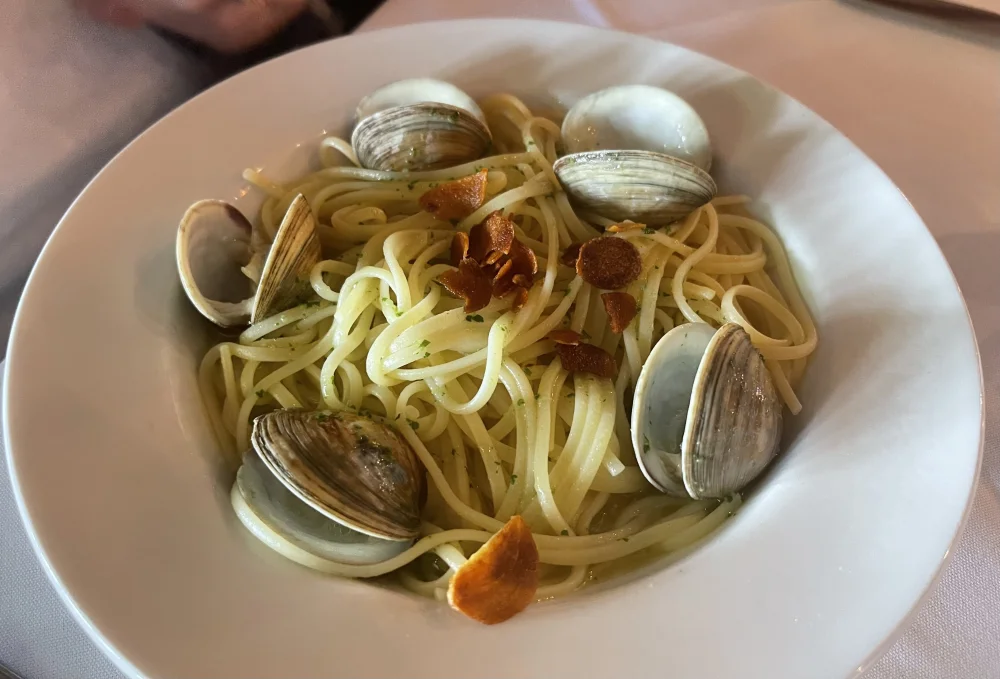
| Spaghetti alle vongole | For a taste of the sea | Clams and pasta brought together with cooking juices |
| Sfogliatella riccia or frolla | In the morning, with coffee | Crisp layers or shortcrust pastry, ricotta and semolina |
| Babà and pastiera | For a sweet break | Syrup-soaked dough, or a wheat-and-ricotta tart |
| Espresso | At the counter between sights | A short coffee in a warm cup |
What should you try in two or three days?
Over two days, plan one pizza, one pasta meal and a few coffee and pastry stops. With a third day, there is time for pasta e patate or seafood.
Sfogliatella and coffee in the morning, Margherita or Marinara for one meal. For the other, choose a neighbourhood restaurant to suit your appetite in the evening.
Choose ragù or Genovese for lunch. Later, share a frittatina or small cuoppo if hungry, saving babà or pastiera for a proper sweet break.
Vongole near the harbour, pasta e patate or a shared parmigiana: choose what earlier meals have not covered. A pizza fritta can replace a meal rather than come on top of one.
Fit these stops around sightseeing with our 3-day Naples itinerary. A restaurant near your walking route leaves more time to enjoy the meal.
Pizza and fried snacks
Neapolitan pizza: Margherita or Marinara?
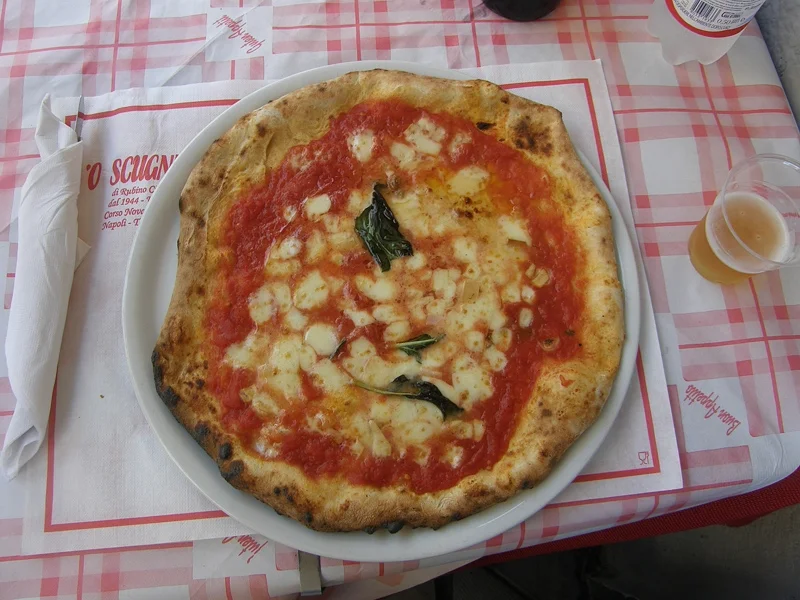
The pizza arrives with a soft, thin centre and puffed edges speckled brown by the oven. Tomato, cheese and oil keep the middle moist: a Neapolitan pizza folds easily, especially at the tip of a slice.
Margherita for tomato, mozzarella and basil; Marinara for tomato, garlic and oregano, traditionally without cheese. I would choose one of these for a first pizza: just a few ingredients let you appreciate dough and baking.
© Ra Boe / Wikimedia Commons — CC BY-SA 3.0
L'Antica Pizzeria da Michele on Via Cesare Sersale remains one of the best-known experiences, with a large pizza filling the plate. On a short stay, leave room for pasta too: Neapolitan sauces deserve their turn.
A cold beer pairs well. So does Gragnano, Campania's sparkling red wine, served cool with pizza.
Pizza a portafoglio: folded into quarters and eaten on the go
Smaller pizza a portafoglio folds into quarters before being wrapped in paper. It suits a quick lunch, with the same soft dough and tomato found in a pizzeria.
Keep some napkins handy and avoid squeezing the parcel: sauce quickly finds a way out.
Pizza fritta: ricotta, provola and golden dough
Frying changes everything. Sealed around a filling and lowered into oil, the dough puffs into a golden shell. The traditional filling often combines ricotta, provola, pork cicoli and pepper, with tomato in some versions.
Steam escapes at the first bite, while the ricotta centre stays very hot. A whole pizza fritta can make a meal: save it for a real appetite.
Frittatina and crocchè: two filling snacks
Frittatina di pasta hides pasta bound with béchamel under a thin fried crust. Classic versions include peas, meat and cheese. Its appeal lies in the contrast between crisp surface and creamy centre.
A crocchè is a potato croquette, sometimes filled with melting cheese. Shared between two, one of each is enough to compare them before the next meal.
Cuoppo: one cone, several fried snacks
Cuoppo means a paper cone filled with fried food, rather than one recipe. Cuoppo di terra brings together croquettes, fritters and vegetables according to the counter. Cuoppo di mare features squid, anchovies and prawns.
For places to try pizza a portafoglio, pizza fritta and cuoppo, see our Naples street-food guide, with a walk between counters.
Neapolitan cuoppo, assorted fried snacks in a paper cone.
’O pere e ’o musso: for curious market visitors
© jimmyweee / Wikimedia Commons — CC BY 2.0
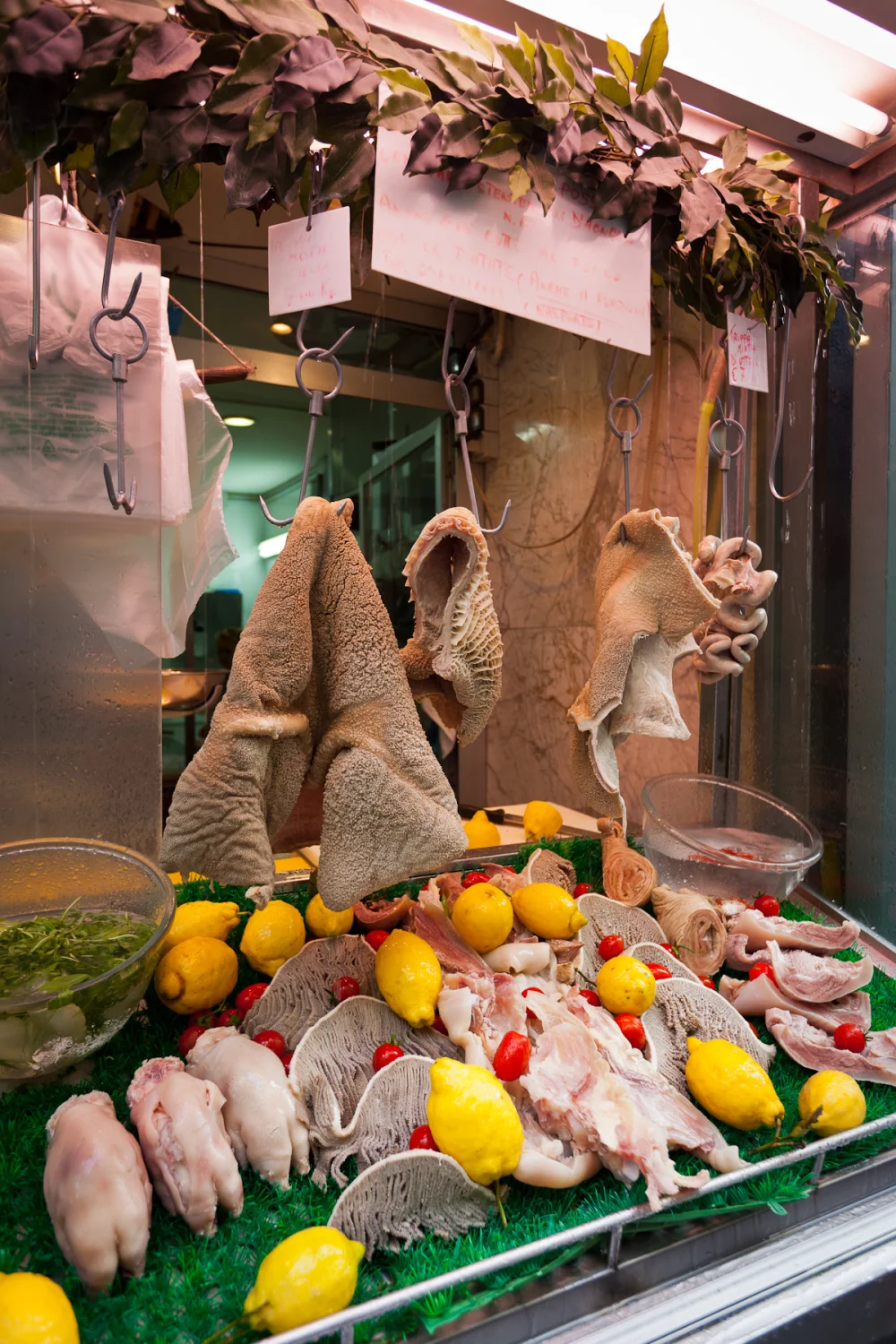
The name says it plainly: foot and muzzle. Pig's foot and calf's muzzle are boiled, cooled, sliced and served with lemon and salt.
The firm, gelatinous texture is more surprising than the seasoning. Lemon adds bright freshness to the cold pieces: a tasting for existing offal lovers or those keen to try it.
Traditional Neapolitan dishes
A trattoria lunch gives time for slow-cooked sauces and dishes finished with bread. It can easily stretch out, especially when sharing a starter before pasta.
Ragù napoletano: the Sunday sauce
© CristianoMay / Wikimedia Commons — CC BY-SA 4.0
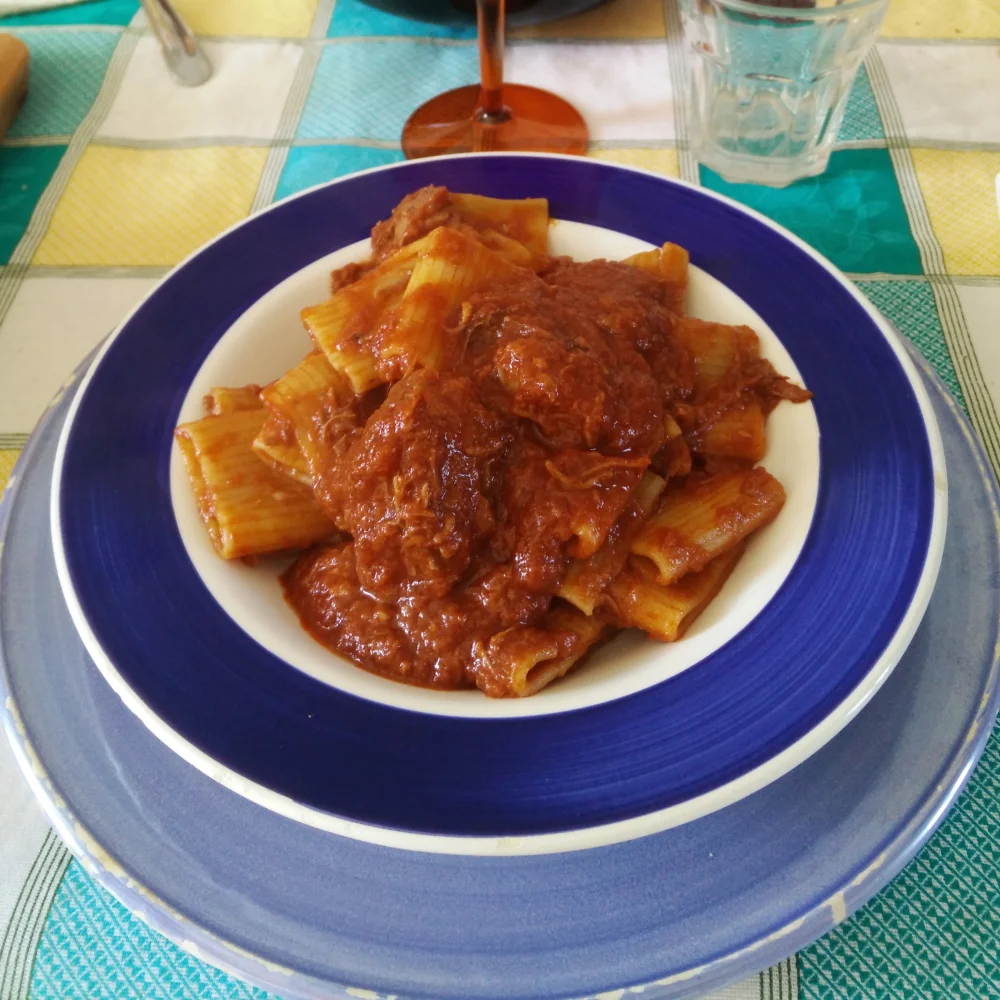
In Neapolitan ragù, large pieces of beef and pork simmer slowly in tomato, producing a dark, deeply flavoured sauce. The meat may then be served separately: this distinguishes it from minced-meat bolognese.
At Tandem, ragù cooks for six to eight hours before resting. Ziti or rigatoni carry the sauce, and bread takes care of what remains on the plate. The restaurant also offers scarpetta, a bowl of sauce to enjoy with bread.
The Via Paladino restaurant is an option for a first tasting. Tandem's pasta with ragù or Genovese costs €12–14 depending on the pasta shape. I would start with ziti, which hold the sauce well.
Genovese: plenty of onions, no pesto
© Superchilum / Wikimedia Commons — CC BY 4.0
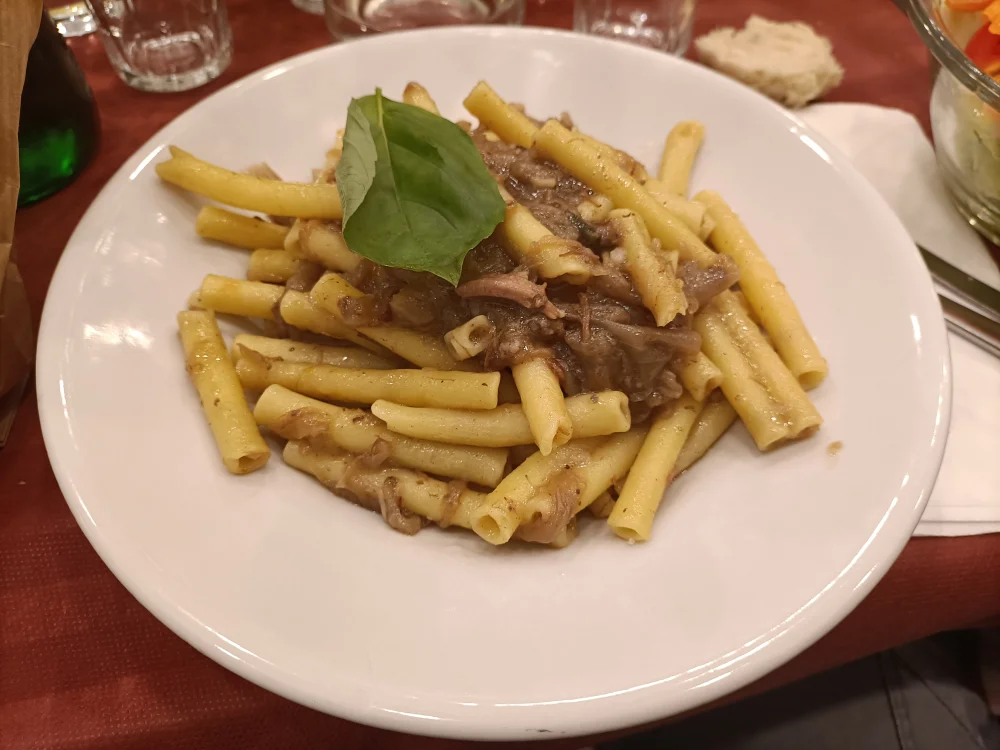
Despite the name, Naples' Genovese is not pesto. Onions and beef cook for hours, until the onions melt into a copper-coloured, almost sweet sauce coating the pasta.
Try Osteria della Mattonella for a small, tiled dining room. You can also find it at Upnea for €13. The onions' sweetness contrasts with tomato-based sauces.
Pasta e patate con provola: pasta, potatoes and smoked cheese
Pasta and potatoes on one plate: the name sounds almost too simple. As they cook, they come together in a thick mixture, then provola melts through it, adding a smoky note. Eat it hot, while each spoonful still pulls cheese into strands.
I would save it for a long sit-down lunch, especially in cooler weather. Tandem's €14 version adds a little ragù. It therefore contains meat, despite a name listing only pasta, potatoes and cheese.
Parmigiana di melanzane: soft aubergines with a baked crust
Fried aubergines are layered with tomato sauce, cheese and basil, then baked. The layers turn soft while the top keeps browned edges. Parmigiana makes a fine shared starter, particularly before pasta.
At Tandem, allow €12. The menu offers a ragù version and a vegetarian version: the aubergines remain, while the sauce changes.
Salsiccia e friarielli: sausage and bitter greens
Friarielli, related to broccoli rabe, are cooked with garlic, oil and chilli. Their bitterness balances rich pork sausage. The pairing appears on plates, pizzas and generously filled bread, rather than only in sandwiches.
At Salumeria Upnea on Via San Giovanni Maggiore Pignatelli, the Scusate il ritardo panino costs €11. It combines sausage, smoked provola, mayonnaise and seasonal vegetables: friarielli in winter, peppers during the rest of the year.
Spaghetti alle vongole: leave room for seafood
© Missvain / Wikimedia Commons — CC BY 4.0
After ragù and Genovese, spaghetti alle vongole offers a change. Pasta finishes cooking with clams and their juices: the sauce carries the taste of the sea rather than masking it.
For a harbour setting, Zi Teresa in Borgo Marinari lists spaghetti alle vongole at €23. Leave time afterwards to walk the quays around Castel dell'Ovo.
Pastries and coffee
Sfogliatella: riccia or frolla?

© Saggittarius A / Wikimedia Commons — CC BY-SA 4.0
Riccia crunches; frolla crumbles. The first resembles a shell built from fine pastry layers. The second encloses its filling in softer shortcrust. Both contain ricotta, semolina, candied fruit and citrus aromas.
At Attanasio on Vico Ferrovia, near the central station, trays of sfogliatelle tempt you to buy more than one. I would start with a warm riccia and try a frolla at another stop: the comparison is worth the detour.
Babà: soft, soaked and scented with rum
Babà is a yeast dough soaked in syrup, traditionally flavoured with rum. Shaped like a little mushroom, it stays soft and thoroughly soaked.
At Pasticceria Mary in Galleria Umberto I, choose plain or filled. A plain babà shows the dough's texture and syrup's aroma most clearly.
Rum babà served with coffee.
Pastiera: a taste of Naples beyond Easter
A shortcrust shell, ricotta and cooked-wheat filling, then aromas lingering after the first bite: pastiera is the other cake I would not miss. Small wheat grains give texture to the creamy filling.
At Scaturchio on Piazza San Domenico Maggiore, this Easter classic is served year-round. Try a slice for the wheat-and-ricotta texture. It is an easy stop between walks in the historic centre.
Espresso and caffè sospeso
© Benreis / Wikimedia Commons — CC BY 3.0
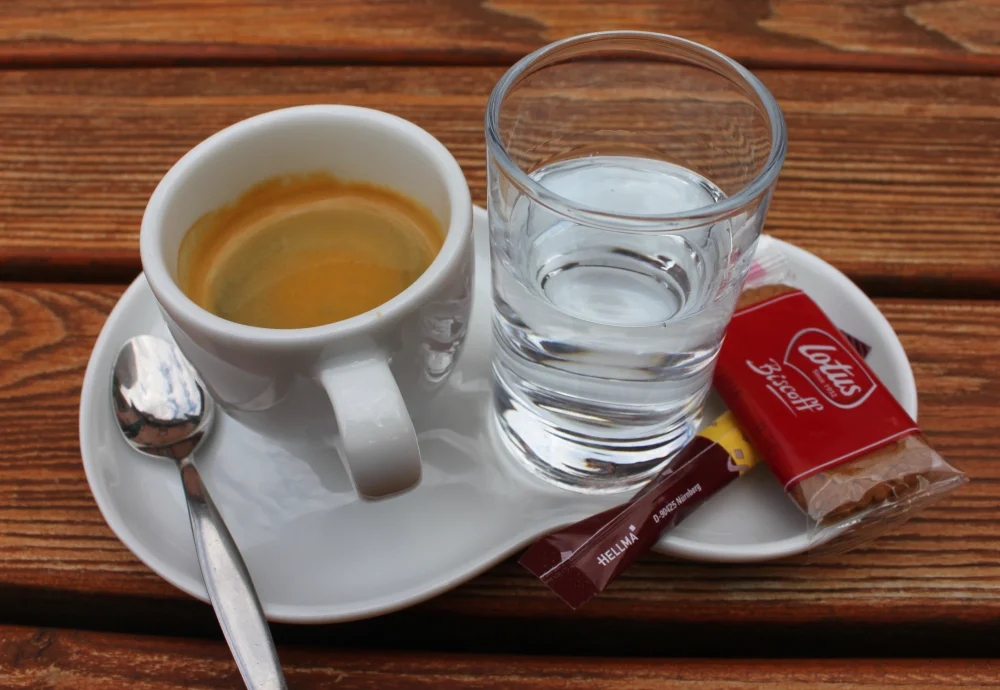
The final stop fits in a small cup. At Caffè Mexico on Piazza Dante or Piazza Garibaldi, an espresso at the counter slips easily between sights. The hot cup, short coffee and exchanges between orders are part of the pleasure.
A glass of water often accompanies it. Caffè sospeso follows a simple principle: pay for an extra coffee to be given to someone else.
Budget and places to eat
How much should you budget for food in Naples?
Pizza a portafoglio or a few fried snacks make an inexpensive lunch. For a sit-down pizza with a drink and cover charge, allow around €10–15. For pasta, dessert and a drink in a trattoria, allow €20–30 per person, more for seafood, starters or wine. These ranges help plan meals rather than fixing every bill.
Coperto is a per-person cover charge when listed on the menu, separate from a tip. At Tandem and Upnea it costs €2.50. Drinks are extra. One pasta dish may be enough, perhaps with a shared starter or dessert according to appetite.
Where can you eat without crossing the whole city?
In the historic centre, Tandem and Upnea work for pasta, Scaturchio for something sweet. Around Toledo and Chiaia, Galleria Umberto I and La Mattonella offer other options. Attanasio is convenient when passing the station; Borgo Marinari suits lunch followed by a seaside walk.
To place these stops among neighbourhoods and sights, see our Naples guide.
At La Mattonella, book by phone on the day between 11am and 1pm, on 081 416541. The osteria closes on Wednesdays and Sunday evenings, so plan Genovese for another time.
How do you order?
At counters, some places ask you to pay first and present the receipt, while others take orders directly. The queue usually shows you how it works.
On restaurant menus, pasta appears under primi, meat and fish under secondi. You can order just one dish, then decide whether there is room for a pastry.
To take a taste home, see our Naples food souvenirs guide, with advice on choosing and transporting them.
Frequently asked questions
Which Naples specialities should I try first?
What can I eat in Naples on a small budget?
Can you eat vegetarian food in Naples?
Should I choose sfogliatella, babà or pastiera?
Should I book restaurants in Naples?
What time should I have lunch and dinner in Naples?
Naples hits you all at once. It is loud and crowded, scooters skim past pedestrians, and some of the world's…
Read more →From the historic centre to Vomero and the waterfront: three days in Naples with visits to book, transport and well-placed…
Read more →