Puglia in Summer Heat: Practical Tips to Stay Cool
The temperature is 40°C in the shade. Here is how to adapt your daily rhythm, journeys and meals to keep the trip comfortable.
Plan Puglia's summer sightseeing for the cooler hours, with caves, museums or a break indoors during the hottest part of the day. When the Garbino blows in July or August, it descends from the Apennines, loses moisture and sweeps across the plain from the south-west.
Puglia in the summer heat: white towns and ZTL restrictions
The wind blows from the south-west, descends from the Apennines, loses its moisture on the way and sweeps across the plain. This is the Garbino.
On the Foggia plain in the north and in the Salento basin in the south, this wind presses hot air down towards the asphalt. Reflected heat makes it feel hotter still.
The historic centres of Baroque cities and whitewashed towns intensify the effect. Built from very pale limestone, they reflect light and heat straight onto your skin.
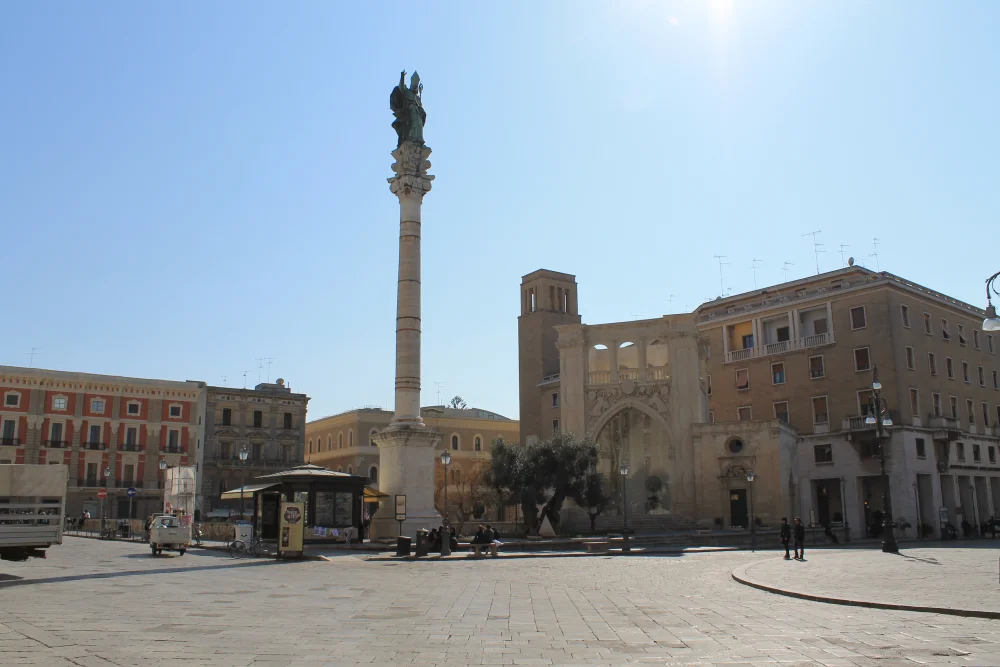
© Patrick Nouhailler's… / Wikimedia Commons — CC BY-SA 3.0
On Piazza Sant'Oronzo in Lecce at 2pm on 15 August, it feels much hotter than the 36°C shown on your phone. The ground burns through thin soles, and carved façades radiate heat stored since dawn.
Awnings provide little protection from the midday sun. Wait until the end of the day to explore town centres, but watch for another problem when driving in the evening: ZTL restrictions.
The ZTL restricted traffic zones in Lecce, Ostuni, Otranto and Gallipoli operate in the evening in summer, without exception. Cameras record every non-resident number plate. Driving into the lanes to park at 7pm brings a €100 fine, arriving six months later with the rental company's administration charge added.
- Lecce: Foro Boario car park or blue-lined spaces on Via Adua, then a 10-minute walk. Around €0.60 an hour.
- Otranto: car parks near the harbour, payable by mobile app.
Puglia in July and August: the controra and cooler alternatives
The essential rule is to follow the locals' rhythm. From 1.30pm to 5pm, Puglia closes for the controra. Shop shutters come down, streets empty and only the cicadas fill the silence.
Divide your day into two parts: 8am to 12.30pm, then 5.30pm to midnight. Between them, there are two practical alternatives to a compulsory siesta at the hotel.
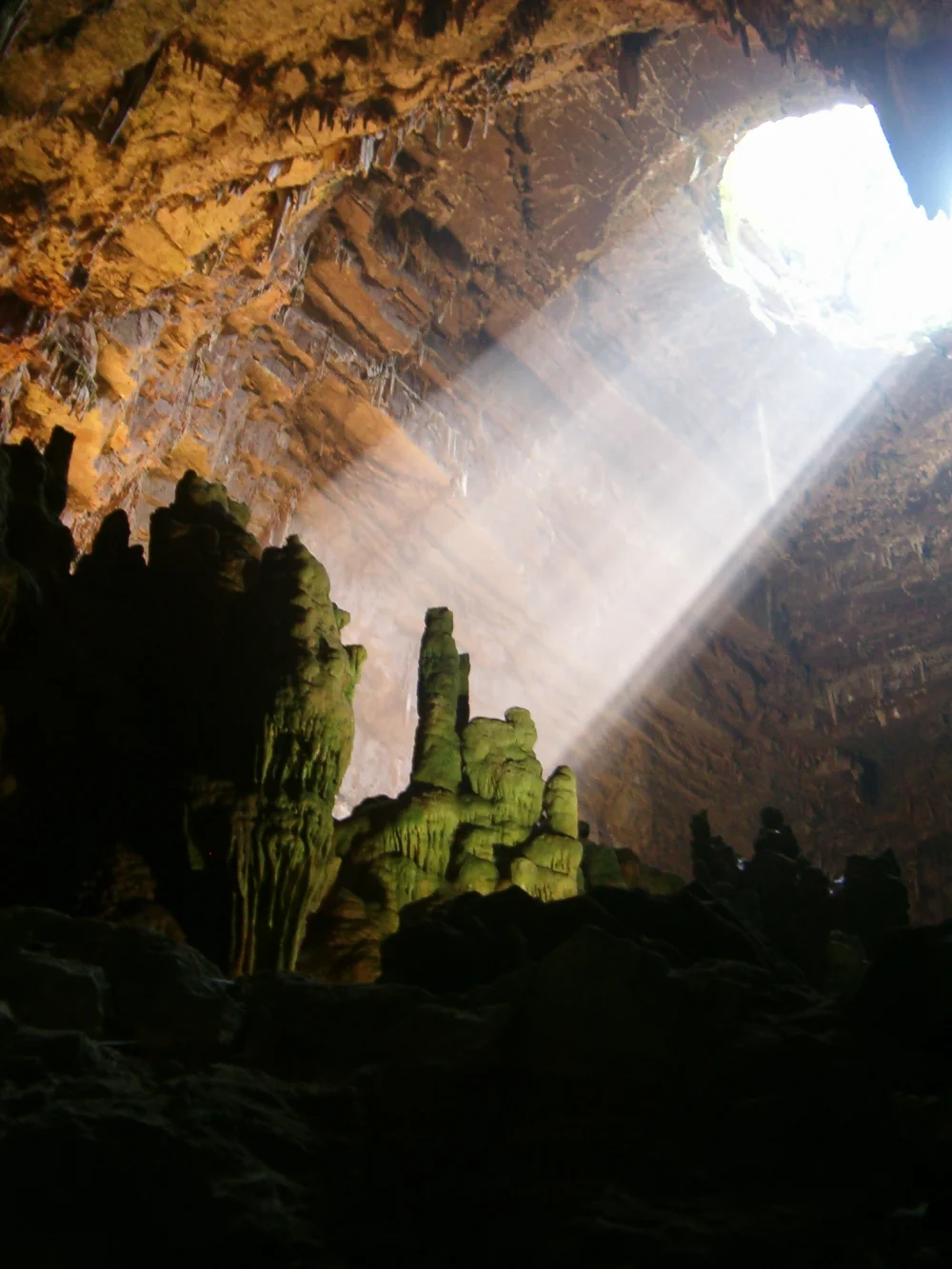
© Marcok - it.wikipedia.org / Wikimedia Commons — CC BY-SA 3.0
Castellana Caves are around fifteen kilometres from Alberobello. The route descends 70 metres underground through three kilometres of galleries. The temperature stays at 16°C all year.
The full route takes about 100 minutes, and a standard adult ticket costs €25 at the ticket office; online fees are additional. Bring a jumper for the cool caves and the change in temperature when you return outside.
If you would rather avoid going underground, head for an air-conditioned museum. MArTA, Taranto's National Archaeological Museum, keeps its galleries at 21°C.
At 2pm, you can explore the Greek gold and Roman mosaics on your own. Entry costs €10, with enough to fill an easy two hours in the cool.
Puglia's beaches in August: lidos, parking and planning
Taking refuge on the beach in the afternoon can be an ordeal. Arriving at 2pm on Salento's public beaches, such as Torre dell'Orso or Punta Prosciutto, leaves you with little chance.
There is no space left for a towel: regulars have been there since 8am.
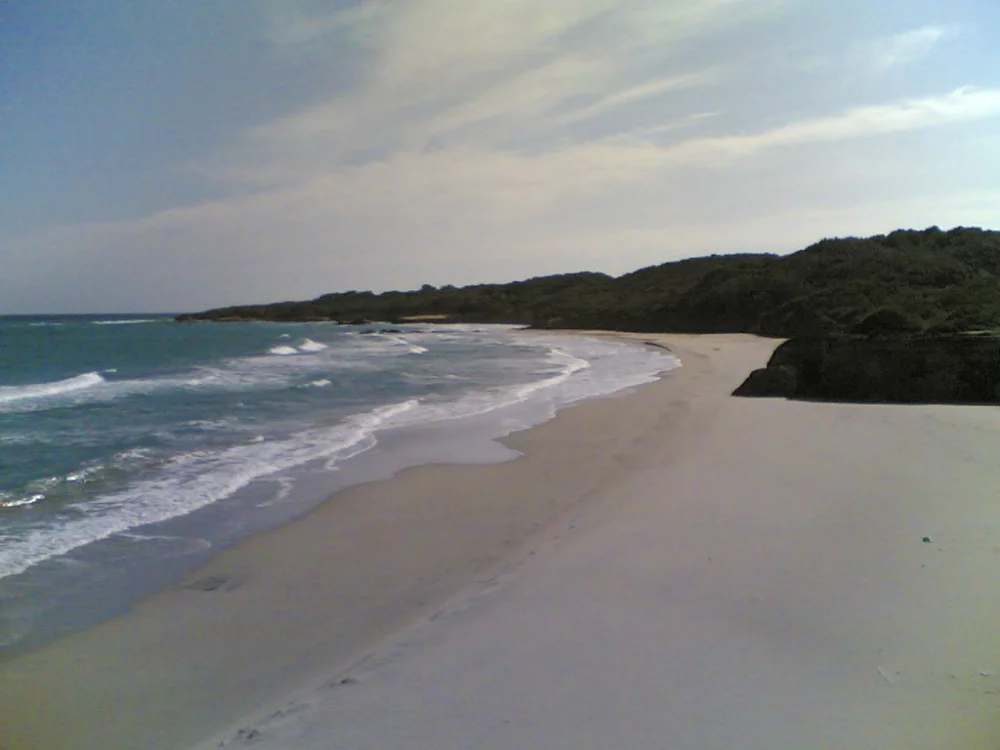
© Kaus at Italian Wikipedia / Wikimedia Commons — Public domain
The only way to swim comfortably in the afternoon is to reserve a lido. These private beach clubs rent two loungers and a parasol, with showers and a bar. Allow €30–50 a day in August.
Book weeks ahead through local platforms such as Cocobuk.
Booking a lido several weeks ahead avoids last-minute prices and secures your space, even on Salento's busiest beaches in August.
A reserved lounger does not solve the parking problem. Car parks by wilder stretches of coast, such as Baia dei Turchi, are vast areas of hard-packed earth run by seasonal workers.
Allow €5–10 a day, cash only. Bring change, as €50 notes are often refused at the barrier.
Car parks near the wilder coast are completely full by late morning. After 11am, you face illegal roadside parking, with a risk of being towed, or a walk of over two kilometres with your bags. Aim to reach the lido by 9.30am at the latest.
Hiring a car in Puglia in summer: test the air conditioning first
At Bari and Brindisi airports, the tarmac is already radiating 35°C heat by 10am. Test the car before leaving the rental car park.
Start the engine, turn the ventilation to maximum, close the doors and wait five minutes. The compressor should start and blow ice-cold air in under thirty seconds. If the air stays lukewarm, refuse the vehicle and request a replacement.
Booking through DiscoverCars avoids waiting in full sun at outdoor counters. Driving along the SS16 with the windows open at 110 km/h leaves you exhausted and dehydrated in under thirty minutes.
At the first Conad or Famila supermarket you pass, buy an XL reflective windscreen sunshade for around €5. Without one, a black plastic steering wheel and gear knob can become hot enough to burn your palms. Keep water bottles at the bottom of the boot, never on the parcel shelf: sunlight through the windows can heat the water to 50°C.
-
A light jumperFor the temperature change at Castellana Caves, which stay at 16°C
-
Cash in small notes and coinsBeach car parks often refuse €50 notes
-
An insulated water bottleRefill at designated AQP drinking fountains, following any local notices
-
An XL reflective sunshadeAround €5 in supermarkets, for your hire car
Where to stay in Puglia in summer: masseria or coastal apartment?
In modern apartments with thin concrete walls, heat builds up all day and the sea's humidity lingers at night. A sea view does not guarantee a good night's sleep in midsummer.
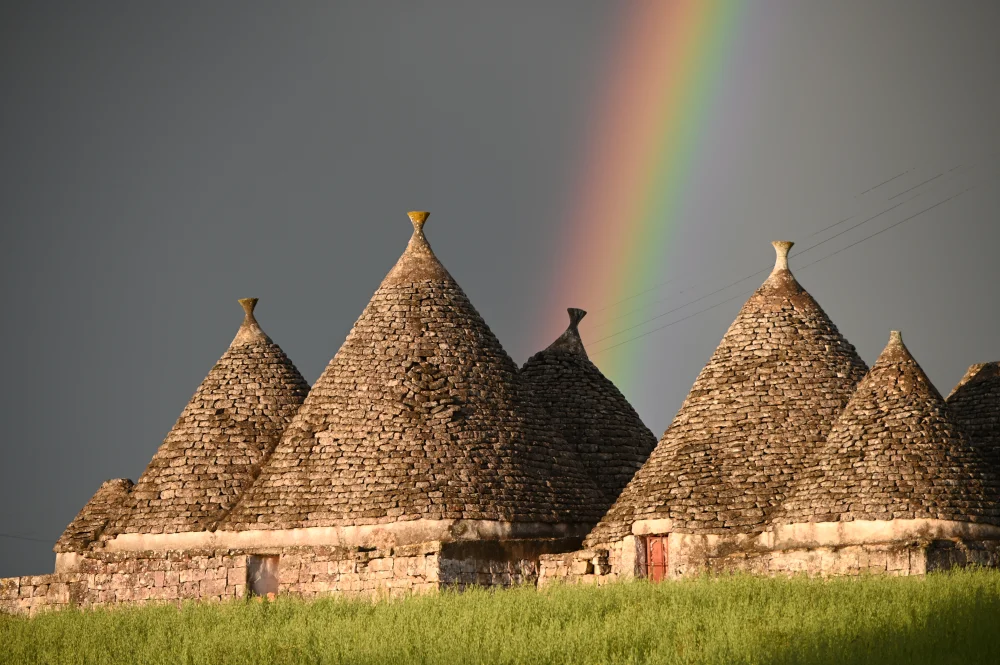
© JP Vets / Wikimedia Commons — CC BY-SA 4.0
A masseria in the Itria Valley near Martina Franca, Cisternino or Locorotondo can be 3–4 degrees cooler at night than sea level, at an altitude of 400 metres with better airflow.
Trulli and fortified masserie are built from tufa or solid limestone, with walls sometimes a metre thick. The limewash applied to roofs each year reflects the sun's rays before they heat the stone. This mass keeps daytime heat out and retains coolness at night.
A night in a historic Itria Valley masseria starts at €250 and exceeds €400 with a rock-cut swimming pool. Always check for modern air conditioning: nights rarely drop below 26°C, and a ceiling fan alone only moves warm air around.
What to eat and drink in Puglia at 40°C: fountains, caffè leccese and frisella
Look for fontanelle in almost every village square, near the church or war memorial. These small green cast-iron fountains bear the initials of the Acquedotto Pugliese (AQP), which brings water from the Sele springs in Campania all the way to Santa Maria di Leuca.
Designated drinking fountains let you refill for free, but the water temperature varies. Fill your insulated bottles when you can and carry enough for the next part of your day.
© Davide Mauro / Wikimedia Commons — CC BY-SA 4.0
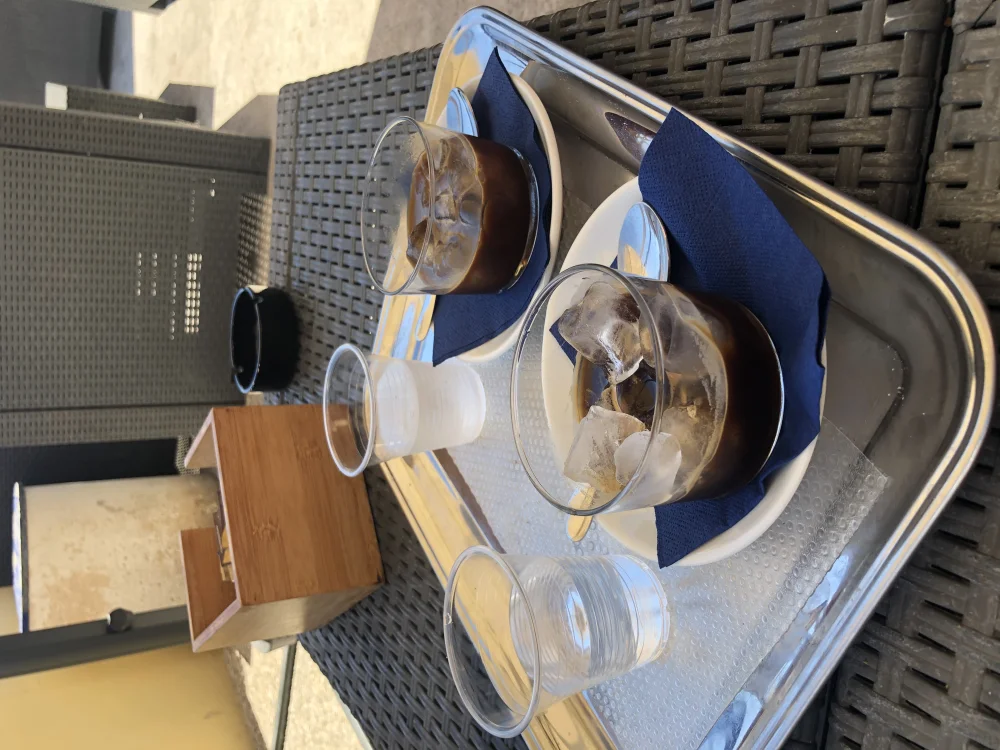
A morning cappuccino can make you sweat before the day has begun. Order a caffè leccese instead: hot espresso, often the local Quarta brand, poured straight over a tall glass of solid ice cubes, followed by a dash of very cold sweet almond milk, latte di mandorla.
It cools you immediately, with almond naturally sweetening the drink instead of industrial syrup. Allow €2.50 at the counter.
At lunchtime, hot orecchiette with turnip greens can feel too much. Choose something cool and simple: a frisella, twice-baked hard bread dipped briefly in water to soften it, then topped with chopped Torre Guaceto tomatoes, oregano and fresh olive oil.
Add a braid of fresh mozzarella or a few slices of capocollo di Martina Franca. Around 9.30pm, the air becomes comfortable again. Settle at an outdoor table in a coastal town such as Gallipoli or Bari for generous platters of crudo di mare served on crushed ice.
The best part of the day arrives around 7pm. The towns' stone walls slowly release the afternoon heat, low light turns the façades orange and plastic chairs fill the squares.
With a glass of well-chilled local white wine, Verdeca or Fiano, Puglia finds its rhythm again.
Five days in Puglia: from Bari's alleyways to Lecce's Baroque, via the red earth of the Itria Valley.
Read more →Southern Italy is warm, but winter can be harsher than you expect and August can feel stifling without planning. Here…
Read more →