Things to do in Pescara: beaches, food and the old town
The hometown of D’Annunzio
A modern city beside a sandy beach, Pescara makes a practical base for exploring Abruzzo, between the Adriatic coast and D’Annunzio’s literary heritage.
Heavy bombing in 1943 left Pescara a largely modern city, with broad avenues facing ten kilometres of beach. Come for the nightlife of Pescara Vecchia and the convenience of its main railway station.
Things to do in Pescara: four main sights
Pescara Vecchia contains most of the historic buildings that survived the 1943 bombing. Modern Pescara grew from the merger of the old fishing settlement south of the river with Castellammare Adriatico to the north.
Four stops introduce the city's history within a few hundred metres.
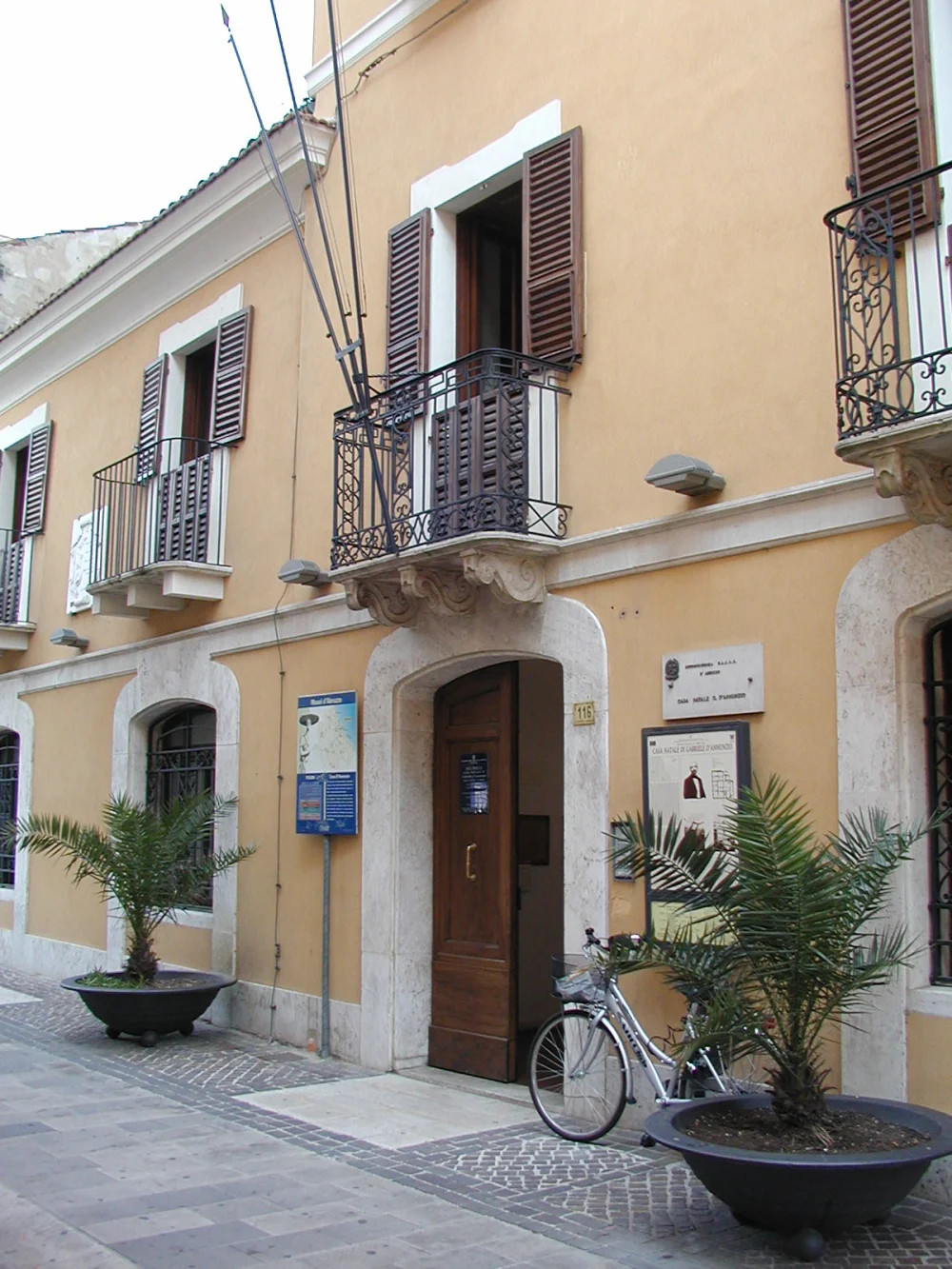
© Raboe001 / Wikimedia Commons · CC BY-SA 2.5
The poet was born here on 12 March 1863. The 18th-century town house became a national monument in 1927 and a museum in 1993. Nine rooms display period furniture, handwritten letters, corrected drafts and uniforms. Address: Corso Manthonè 116; admission €5.
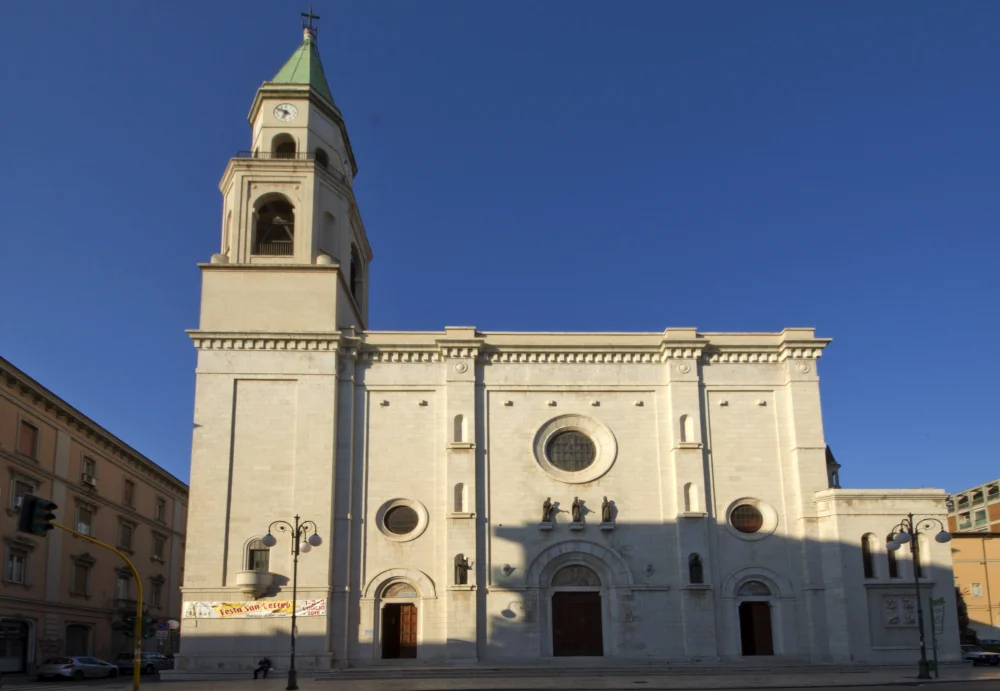
© trolvag / Wikimedia Commons · CC BY-SA 3.0
Built between 1933 and 1938 over an 18th-century church, it uses Abruzzo’s neo-Romanesque style: a rectangular white façade and restrained rose window. D’Annunzio helped fund construction and had his mother, Luisa De Benedictis, buried here. The nave contains Guercino’s 17th-century Ecstasy of St Francis.
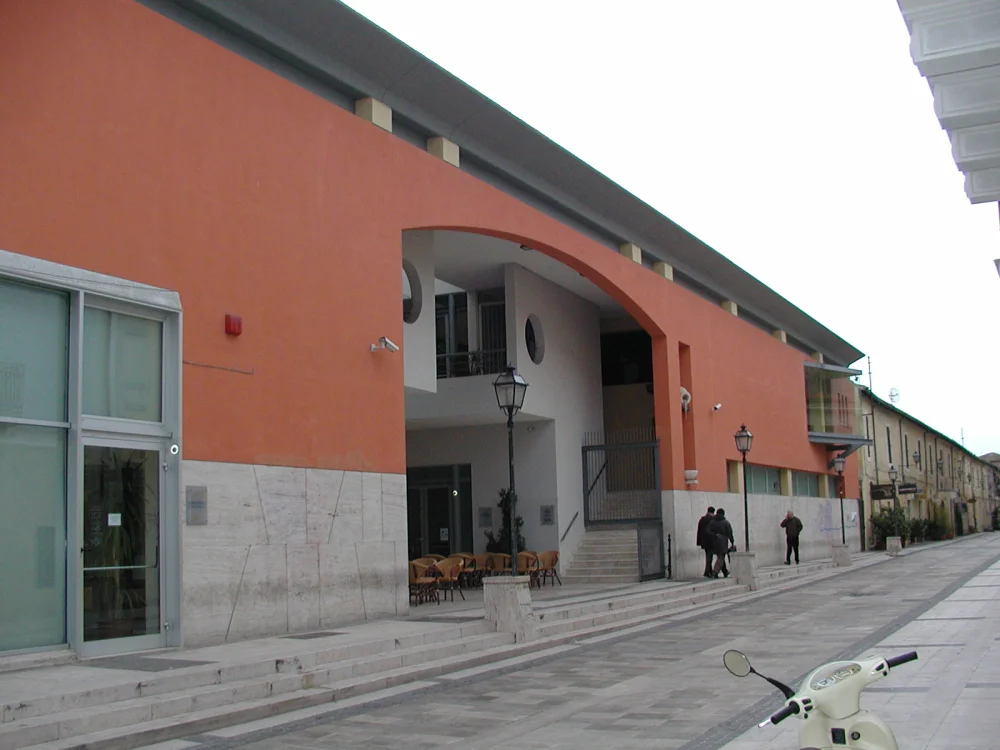
© Ra Boe / Wikimedia Commons · CC BY-SA 2.5
Housed in the former barracks of the 16th-century fortress on Via delle Caserme, thirteen rooms cover four thousand years of farming and pastoral history: wooden pack saddles, Majella stoneworkers’ tools, reconstructed shepherds’ huts and wool looms. Admission is €8.
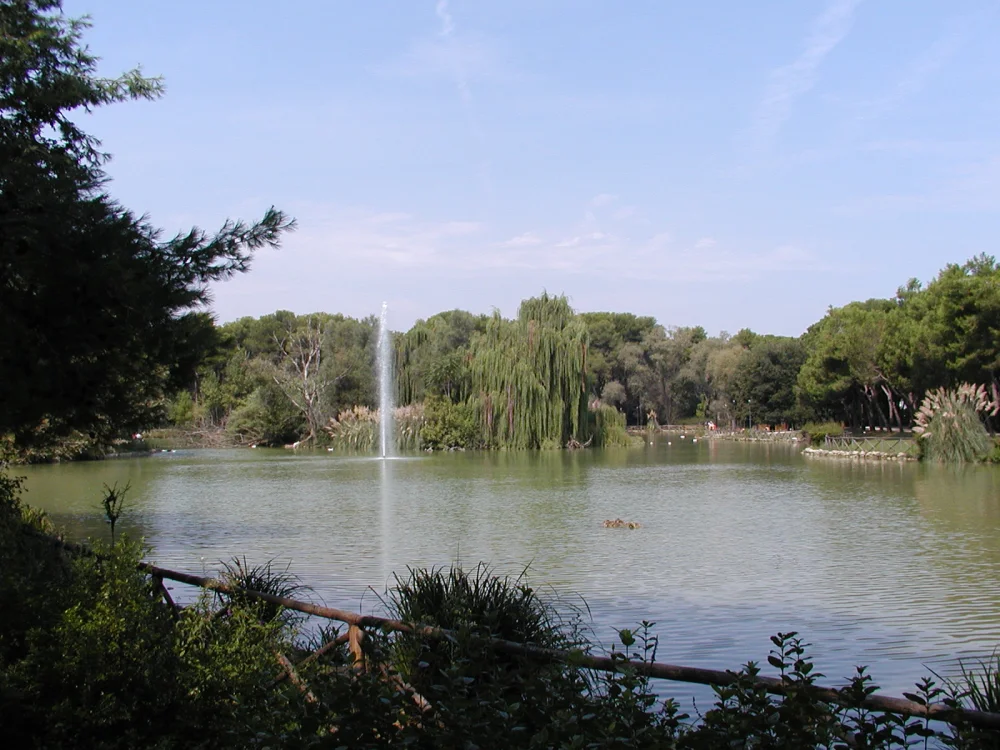
© Raboe001 / Wikimedia Commons · CC BY-SA 2.5
South of the port, 53 hectares of Aleppo pines provide a shaded urban retreat popular with locals on Sunday mornings. At its heart stands the Aurum, a horseshoe-shaped 1930s building once used to distil the local liqueur of the same name. It now hosts municipal exhibitions.
The modern centre revolves around Piazza della Rinascita, known locally as Piazza Salotto. Shops line the arcades, and Sunday afternoons bring the traditional stroll. Try a stracciatella-and-pistachio cone at Gelateria Camillo, Via Firenze 75, before heading to the sea. The esplanade opens onto Fontana La Nave, Pietro Cascella's monumental travertine boat, carved in 1986–1987. It recalls local fishing traditions and pays tribute to Polish prisoners forced to row on Spanish ships in the 19th century.
Opened in 2009, Ponte del Mare links the riverbanks at the mouth of the Pescara. Its curved steel-and-concrete structure suggests a wave. From the deck, nearly 15 metres above the water, you can see the first trabocchi fishing platforms and, in clear weather, Gran Sasso. Access is free, day and night.
Pescara faces ten kilometres of beach, divided among private lidos with rows of loungers. In high season, allow €20–25 per day for two loungers and a parasol at Lido delle Sirene or Lido Trieste. A flat cycle path follows the seafront to Francavilla al Mare. Hire a conventional bicycle from central shops for around €15 per day, or use the RideMovi app for bikes along the lungomare, charged by the minute.
One day in Pescara: a suggested itinerary
One day is enough to complete the essentials: the historic centre in the morning, Piazza Salotto and the seafront in the afternoon, Pescara Vecchia in the evening.
Visit the nine rooms as they open. Their 19th-century interiors contrast with the brightness outside.
5 €Look for D’Annunzio's mother's tomb and Guercino's painting. Allow around twenty minutes.
Free entryThirteen rooms dedicated to pastoral traditions, crafts and shepherds' history. Read the signs on transhumance.
8 €Choose Taverna 58 for food from the hinterland, or a riverside table for fried fish.
30 to 40 €Cross the bridge to the modern centre and Pietro Cascella's fountain. Shops reopen around this time.
FreeCross the 466-metre bridge on a hired bicycle: in spring, snow-capped peaks lie on one side and the sea on the other.
Free accessFollow the beaches to the first bars, then stop for a glass of Pecorino on a lido's wooden terrace.
6 € per glassBack in Pescara Vecchia. Streets start to fill for the night.
35 €Walking in Pescara Vecchia
Pescara Vecchia changes around 19:00. By day, Corso Manthonè and Via delle Caserme are quiet, with visitors seeking shade beneath 18th-century façades. In the evening, café chairs fill the cobbles. Head to Via dei Bastioni for a Spritz or a glass of local Cerasuolo rosé among the students gathering outside.
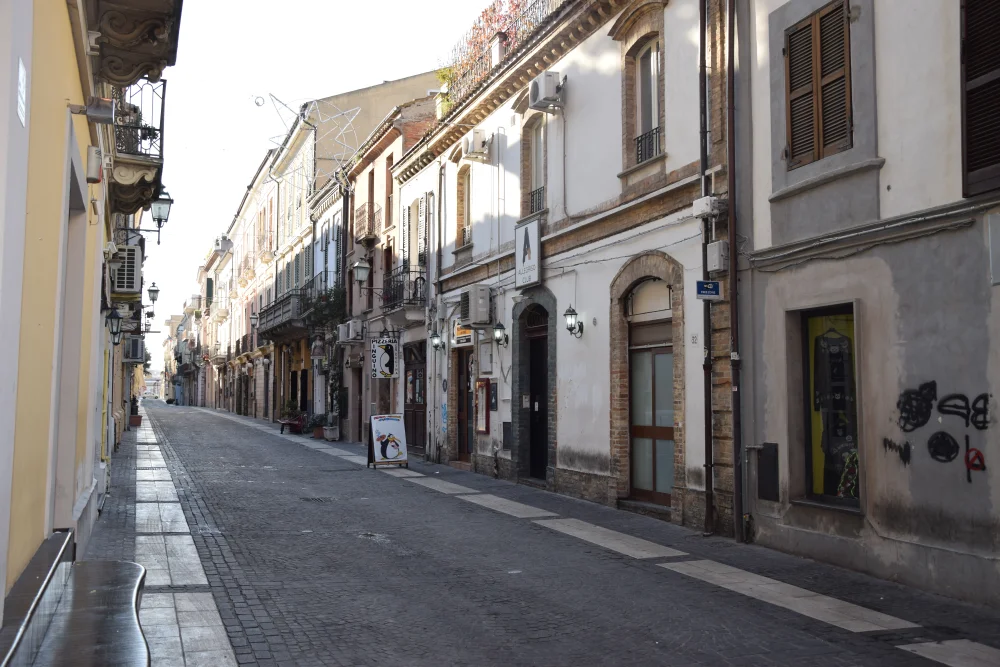
Corso Manthonè de nuit · Pescara, 2026 · © Sayatek / Wikimedia Commons · CC BY-SA 4.0
Wine bars line a few hundred metres of streets. At Julius or Visaggio on Via delle Caserme, allow around €20 for Apennine cured meats and two glasses of Montepulciano d’Abruzzo. Music spills from open doors until 02:00 on Fridays and Saturdays.
For a quieter end to the evening, walk towards the seafront away from the old town, where the sound of waves reaches the beach.
Where to eat in Pescara: local dishes and restaurants
Pescara combines a fishing port with a mountainous hinterland. Menus bring together fried Adriatic seafood, sheep meat and mature mountain cheeses.
Fish soup served in a terracotta pot, with a red broth of fresh tomatoes or passata, seasoned with local dried peppers (peperone secco).
A dark-red liqueur made by macerating sour cherries in Montepulciano d’Abruzzo wine. Gabriele D’Annunzio drank it after meals.
Squid, prawns and small Adriatic fish, dusted with flour and deep-fried. Add a squeeze of lemon, whether eating by the beach or at a counter.
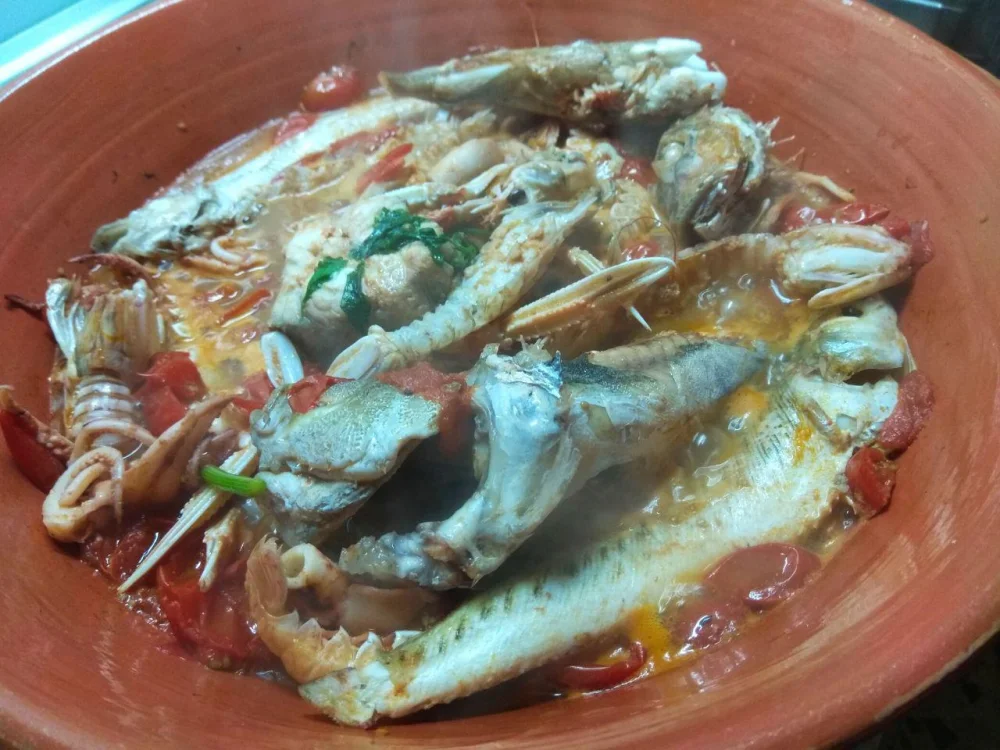
Brodetto alla pescarese · Pescara, 2026 · © Jtorquy / Wikimedia Commons · CC BY-SA 4.0
| Restaurant | Specialty | Budget | Our opinion |
|---|---|---|---|
| Taverna 58 | Traditional food from inland Abruzzo | 40 € | A long-established address since 1980 at Corso Manthonè 46. Try Pecorino di Farindola, grilled mutton and Ratafià as a digestif. Book at weekends: tables fill from 20:00. |
| Da Stefano | Pasta with clams, mixed fried seafood | 30 to 35 € | On Francavilla al Mare's northern lungomare, 1 km south of Pescara. A simple dining room serving the day's fish according to the morning catch. |
| Lido delle Sirene | Whole baked fish and raw seafood | Approx. 45 € | A wooden terrace on the sand at Piazza Le Laudi, suited to long Sunday lunches. |
These three places offer different experiences: inland pastoral cooking, the day's fish in a simple dining room, or a table beside the sand.
Where to stay in Pescara?
These three hotels suit different needs: an easy early departure for the Apennines, private parking in an area that fills up in summer, or a lower budget close to the beach.
| Property | Price / night | Our opinion |
|---|---|---|
| G Hotel Pescara 4 star hotel · rated 9.0/10 on Booking |
From 140 € | Via Stazione Ferroviaria, directly opposite the station. Soundproofed rooms and a savoury breakfast buffet from 07:00 make it practical for a night before collecting a hire car. |
| Victoria Hotel 4 star hotel · rated 9.4/10 on Booking |
From 160 € | Via Piave, three minutes from Piazza Salotto and ten from the lungomare. Underground private parking costs €15 per day, useful when street parking fills up in July. |
| Hotel Alba 3 star hotel · rated 8.6/10 on Booking |
about 75 € | Via Forti, between the station and seafront. Heavy wooden furniture, working air conditioning and less than a minute's walk to the beach. |
Book the G Hotel several weeks in advance in summer. For Victoria, the double room starts at 160 € and climbs quickly in July-August.
Access and transport to visit Pescara
Rome is 208 kilometres away. The A25 crosses the Apennines in just over two hours, with tolls of around €18. From Bari to the south or Ancona to the north, the A14 follows the Adriatic coast to Pescara.
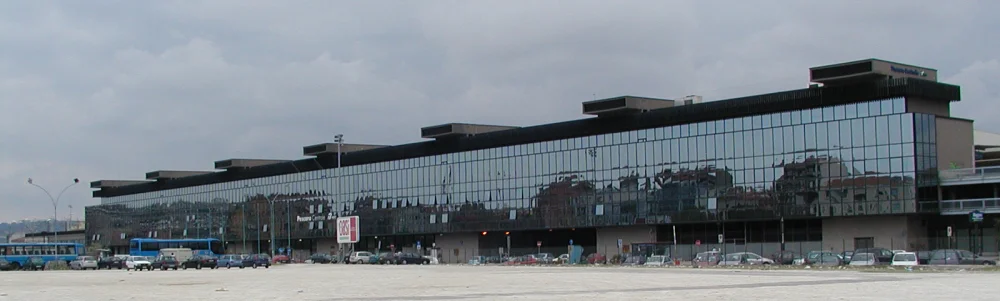
Gare de Pescara Centrale · Pescara, 2026 · © Raboe001 / Wikimedia Commons · CC BY-SA 2.5
Pescara is a regional rail hub. Frecciarossa trains connect Pescara Centrale with Milan and Lecce along the Adriatic; regional trains from Rome pass through Avezzano and Sulmona. If exploring the mountains after the coast, compare car hire before departure: vehicles can book up quickly in August.
What to see around Pescara in less than an hour
Pescara's central location makes it a useful base for several nights. Its station and car hire agencies allow trips from the beach to the Maiella mountains within a day.
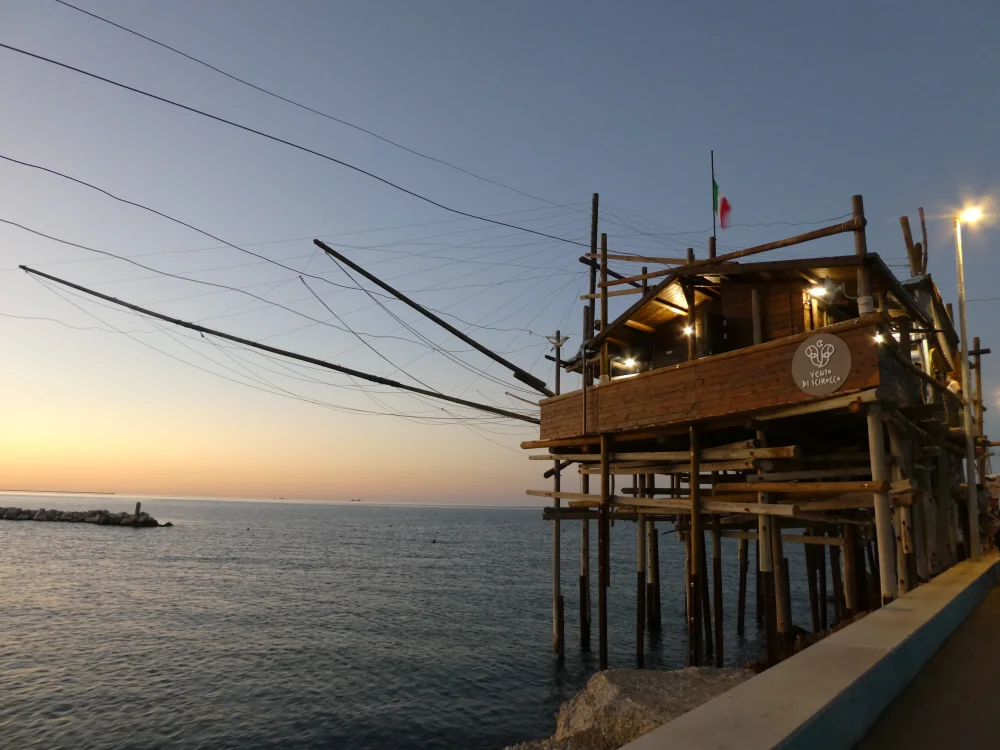
Trabocco at San Vito Chietino · Costa dei Trabocchi, 2026 · © Syrio / Wikimedia Commons · CC BY-SA 4.0
Costa dei Trabocchi: dining over the water Head south by the A14 or regional train, a journey of around 35 minutes. Many trabocchi, wooden fishing platforms on stilts, now operate as seafood restaurants. A full menu based on the local catch costs €50–60 per person. In summer, book Trabocco Valle Grotte in San Vito Chietino two months ahead.
Città Sant’Angelo: a balcony over the Adriatic Around 25 minutes north-west by car, this hilltop village at 320 metres contrasts with Pescara’s modern grid. Red-brick lanes wind up to San Michele Arcangelo. The municipal viewpoint looks towards the sea on one side and Gran Sasso’s grey rock on the other. Park outside the old walls.
Sulmona and the Peligna Valley Less than an hour west on the A25, Sulmona is a medieval town known for sugared almonds sold in decorative bunches throughout the centre. It is also a base for Maiella National Park, the Orfento Gorge and the cliff-cut San Bartolomeo in Legio hermitage. Without a car, compare day trips from Pescara on GetYourGuide.
Enjoy Pescara as a modern, lively coastal city. Buy a cone of fried squid, sit beside the Ponte del Mare around 19:00 and watch fishing boats return as the sky darkens over the Adriatic.The editorial staff, Pescara · Abruzzo
Between Ortona and Vasto, three-century-old wooden fishing platforms have become some of Abruzzo’s most sought-after places for a seafood meal.
Read more →Climb from the stone village to the towers seen in Ladyhawke, passing narrow lanes, a small octagonal church and wide…
Read more →